
Folliculitis is one of those equine skin conditions that sits in an uncomfortable grey zone: common enough that many horse owners will encounter it, yet poorly enough understood that it often goes unrecognised until a horse is visibly uncomfortable. For Australian horse owners, trainers, veterinarians, and equine body workers, the challenge is compounded by the fact that most published guidance on folliculitis comes from human medicine. Translating that knowledge to the horse requires an understanding of equine physiology, management realities, and the environmental pressures unique to the Australian climate. This guide brings those threads together. It examines what folliculitis is, why it develops in horses, how to recognise it early, and how modern management approaches, including equine salt therapy, are changing outcomes for horses and the professionals who care for them.
Table of Contents
-
What Is Folliculitis? Defining the Condition in Equine Terms
-
Treatment Approaches: From Conventional Care to Complementary Therapies
What Is Folliculitis? Defining the Condition in Equine Terms
Folliculitis is the inflammation of the hair follicle. In practical terms, it presents as tender, raised bumps that may develop surface pustules. In horses, these lesions most commonly appear along the saddle area, the girth line, and the lower limbs, places where friction, moisture, and environmental debris converge. The condition arises when bacteria, most frequently Staphylococcus aureus, enter the follicle through micro-abrasions, friction damage, or skin that has been softened by trapped sweat. Once inside, the bacteria multiply, triggering the inflammatory response that produces the characteristic bumps and pustules.
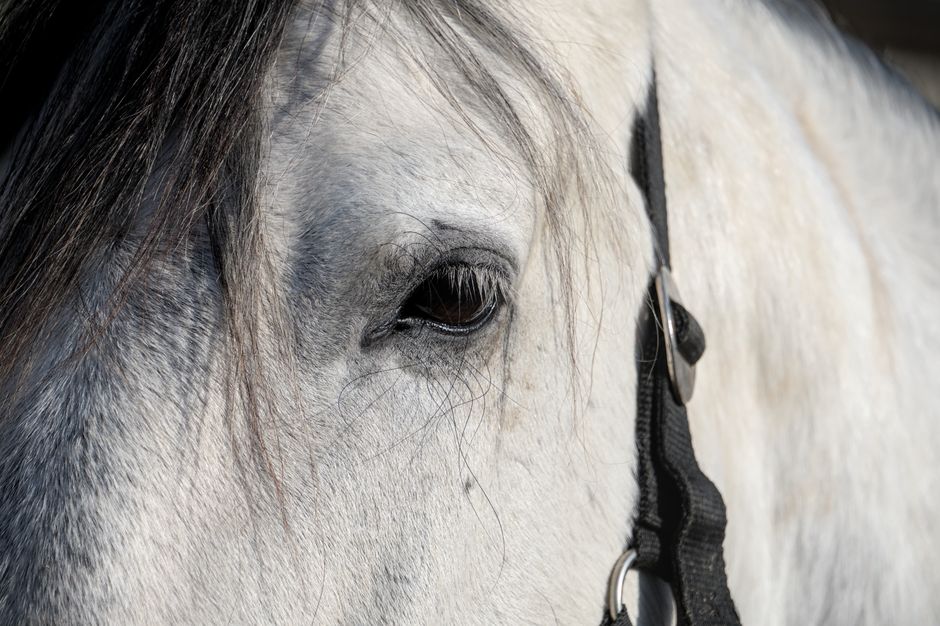
Horses face a distinct set of risk factors compared with humans. Tack friction, grooming practices, and the simple reality of a large animal living in variable outdoor conditions all contribute to the development of folliculitis. In many cases, the condition is secondary to something else: an ill-fitting saddle, a rug that traps moisture against the skin, or an underlying immune challenge. Both superficial and deep forms exist. Superficial folliculitis affects the upper portion of the follicle and typically resolves with appropriate care. Deep folliculitis extends into the surrounding tissue and can progress to furunculosis, the formation of boils, and permanent scarring or hair loss if left untreated. Understanding this equine-specific presentation is the first step toward effective treatment and prevention.
Common Causes and Risk Factors in Horses
Bacterial infection remains the most common trigger for equine folliculitis, with staphylococcal species dominating clinical presentations. Methicillin-resistant strains, including MRSA, are an emerging concern in equine settings, particularly in busy training yards and breeding operations where horses move frequently and share facilities. The presence of resistant organisms raises the stakes for early identification and responsible antimicrobial use.
Fungal involvement, particularly Malassezia species, can mimic or compound bacterial folliculitis. This is especially relevant in humid Australian climates, where warm, moist conditions favour fungal proliferation. Horses with thick coats or dense feathering are overrepresented in clinical presentations, as their hair traps heat and moisture against the skin for extended periods. Environmental and management factors play a significant role as well. Occlusive rugs, sweat-trapping synthetic materials, and infrequent grooming create ideal conditions for follicular inflammation. Horses with compromised immunity, whether from stress, concurrent illness, or prolonged antibiotic use, face elevated risk of recurrent or severe outbreaks.

The Role of Tack and Grooming Practices
Ill-fitting saddles and girths create friction points where folliculitis most frequently erupts. Shared grooming equipment can transfer bacterial and fungal pathogens between horses, turning a single case into a yard-wide problem. Regular, thorough grooming with sanitised tools is a foundational preventive measure that costs little and delivers meaningful results.
Recognising Symptoms: What Horse Owners Should Look For
Early recognition of folliculitis can dramatically shorten recovery time and reduce the risk of complications. The first signs are often subtle: localised redness, small raised bumps, and patches of heat along the skin surface. These may be easy to miss under a winter coat or in a horse that is not handled daily. As the condition progresses, pustules may rupture, forming crusts, scale, and areas of alopecia where the hair has fallen out.
Behavioural changes often accompany the physical signs. Horses with folliculitis may flinch when groomed, swish their tails, or show resentment during saddling. These responses are not bad behaviour; they are pain signals. Distribution patterns offer diagnostic clues. Lesions concentrated along the saddle area suggest friction aetiology, while limb lesions may indicate environmental or parasitic triggers. When symptoms persist beyond one to two weeks or spread rapidly, veterinary assessment is warranted. Early intervention is consistently associated with better outcomes and lower treatment costs.
Treatment Approaches: From Conventional Care to Complementary Therapies
Mild cases of folliculitis often respond to improved hygiene, topical antiseptic cleansers, and removing the offending friction source. This might mean adjusting saddle fit, changing rug materials, or increasing grooming frequency. For more persistent cases, veterinary intervention may include targeted antibiotic therapy, antifungal protocols, or diagnostic sampling to identify the causative organism. Culture and sensitivity testing is particularly valuable when resistant bacteria are suspected.
For chronic or recurrent cases, addressing underlying immunosuppression and environmental factors is essential for long-term resolution. A horse that keeps developing folliculitis despite appropriate treatment is telling you something about its overall health status or its environment. Complementary approaches, including equine salt therapy, are gaining attention as supportive measures that create an inhospitable environment for pathogens while supporting skin health. Equine salt therapy installations, available through licensed providers, offer a drug-free adjunct that can be integrated into rehabilitation programmes for horses with persistent skin conditions.
How Equine Salt Therapy Supports Skin Health
Salt therapy, also known as halotherapy, involves controlled exposure to micronised salt particles. The principle is straightforward: salt is hygroscopic, meaning it draws moisture from its surroundings. When micronised salt particles contact bacterial and fungal organisms on the skin surface, they are understood to draw moisture from those organisms, potentially reducing pathogen load without the use of pharmaceuticals. For horses with recurrent folliculitis, regular salt therapy sessions may complement veterinary treatment plans by supporting the skin’s natural barrier function.
Mobile equine salt therapy units and permanent installations are increasingly available across Australia, bringing this technology directly to stables, studs, and rehabilitation centres. The practical advantage is significant: horses can receive treatment in their own environment, reducing stress and eliminating transport logistics. Business investors and equine professionals exploring equine salt therapy business opportunities are contributing to a growing network of providers serving the equestrian community. For those considering a more substantial commitment, permanent installations offer facilities the ability to integrate salt therapy into daily management routines.
Prevention Strategies for Recurrent Folliculitis
Prevention is where the most meaningful gains are made. Prioritise tack fit and use breathable, moisture-wicking materials to reduce friction and sweat trapping. A saddle that fits well is not just a performance issue; it is a skin health issue. Implement a rigorous grooming routine with individualised or properly sanitised equipment. This is especially important in yards where multiple horses share grooming kits.
Monitor horses closely during humid summer months, when fungal and bacterial proliferation peaks. The Australian summer presents particular challenges for horses with dense coats or those working in high-intensity disciplines. Maintain optimal immune function through balanced nutrition, parasite control, and stress reduction. A horse under nutritional stress is a horse more vulnerable to skin infection. For horses with a history of recurrent folliculitis, consider integrating regular salt therapy sessions as part of a proactive skin health programme. The goal is to create conditions where pathogens struggle to establish a foothold.
When to Consult Your Veterinarian
Persistent lesions beyond two weeks, spreading redness, or signs of systemic illness such as fever, lethargy, or reduced appetite warrant immediate veterinary attention. Deep infections, abscess formation, or suspected MRSA require professional diagnosis and targeted antimicrobial therapy. Attempting to manage these cases with home remedies alone risks progression to more serious systemic infection.
Diagnostic tools, including skin scrapings, cytology, and culture, help differentiate folliculitis from look-alike conditions such as ringworm or autoimmune disease. This distinction matters because treatment approaches differ significantly. Early intervention reduces the risk of permanent hair loss, scarring, and progression to more serious systemic infection. A collaborative approach between owner, veterinarian, and allied equine professionals, including body workers and rehabilitation specialists, yields the best outcomes. No single practitioner sees the whole picture.
The Future of Equine Skin Health: A Growing Conversation
Awareness of equine dermatological conditions is rising among owners, breeders, and veterinary professionals, driving demand for innovative management options. The days of dismissing skin conditions as minor irritations are fading. Today’s horse owners and professionals understand that skin health is a window into overall welfare.
Equine salt therapy is emerging as a meaningful addition to the rehabilitation toolkit, with mobile businesses and permanent installations expanding access across the USA,Canada,Europe & Australasia. For stud farms, training centres, and rehabilitation facilities, investing in salt therapy infrastructure represents a commitment to comprehensive welfare standards. Master licences and licensee opportunities are enabling equine professionals and entrepreneurs to bring these services to their local communities. As research and clinical experience accumulate, the integration of complementary therapies with conventional veterinary medicine will continue to evolve. The conversation is shifting from reactive treatment to proactive management, and that shift benefits every horse in the system.
Frequently Asked Questions About Folliculitis in Horses
Is folliculitis contagious between horses? Bacterial forms can spread through shared equipment and direct contact. Fungal forms are more readily transmissible and can move quickly through a yard if grooming tools are shared.
How long does folliculitis take to heal? Mild cases may resolve within days with appropriate care. Deeper infections can take several weeks, particularly if resistant bacteria are involved.
Can folliculitis cause permanent damage? Severe or untreated cases can lead to scarring and permanent hair loss. This is particularly visible in show horses and animals where coat quality matters.
Is salt therapy suitable for all horses? Generally yes, but it should complement, not replace, veterinary care. Horses with respiratory conditions should be assessed by a veterinarian first, as the dry salt aerosol environment may not suit every individual.
Where can I find equine salt therapy services in my country? Licensed providers and mobile units are expanding ONLY AVAILABLE UNDER LICENSE . Contact the Equine Salt Therapy team for details on availability as there are no distributors other than the founders Licensing@equinesalttherapy.com Copiers are being shutdown daily.
Conclusion: Prioritising Skin Health for Long-Term Welfare
Folliculitis is a manageable condition when approached with knowledge, vigilance, and a comprehensive care strategy. The horses that suffer most from this condition are not those with the most severe infections; they are the ones whose early signs went unnoticed. Combining sound husbandry, timely veterinary intervention, and innovative supportive therapies offers the best path to recovery and prevention.
Equine salt therapy represents a forward-thinking option for owners and professionals committed to raising welfare standards. Whether you are a horse owner, trainer, veterinarian, or investor exploring equine salt therapy business opportunities, the growing focus on skin health signals a positive shift in equine care. Prioritise early recognition, consistent prevention, and collaborative care to keep horses comfortable, healthy, and performing at their best.