

The future of racing is moving decisively away from race-day furosemide, commonly known as Lasix, driven by regulatory bodies such as the Horseracing Integrity and Safety Authority (HISA). While furosemide reduces bleeding scores in horses with Exercise-Induced Pulmonary Haemorrhage (EIPH), it neither cures nor prevents the condition. The industry is now seeking alternative, non-pharmaceutical approaches to protect equine welfare and performance within tightening regulatory frameworks.
Table of Contents
-
What exactly is EIPH and why does it affect so many racehorses?
-
How does furosemide (Lasix) work, and why is it being phased out?
-
What have we learned from racing jurisdictions that have already banned Lasix?
-
What are the non-drug options for managing EIPH in a post-Lasix era?
-
How does EIPH affect a horse’s career longevity and performance?
-
What does the 2026 HISA decision mean for horse owners and trainers in Australia?
-
How can the equine industry prepare for a future without race-day Lasix?
What exactly is EIPH and why does it affect so many racehorses?
EIPH, or exercise-induced pulmonary haemorrhage, is the condition commonly known as bleeding in racehorses. It occurs when the pulmonary capillary transmural pressure in an exercising horse exceeds 100 mmHg, according to research published in PubMed.
This extreme pressure causes small blood vessels in the walls of the horse’s lungs to rupture during strenuous exercise. The result is blood entering the airways, which can be observed during endoscopic examination after racing.

Up to 75% of Thoroughbreds are affected by EIPH, according to Kentucky Equine Research. The condition is not a rare anomaly but a widespread physiological challenge for the breed.
The American College of Veterinary Internal Medicine (ACVIM) published a consensus statement in 2015 that strongly recommends EIPH be considered a disease, not merely an unfortunate side effect of racing. This classification shift has significant implications for how the industry approaches prevention and management.
How does furosemide (Lasix) work, and why is it being phased out?
Furosemide reduces EIPH scores by lowering blood pressure, but clinical observations indicate that it does not completely stop haemorrhage. Research published in PubMed confirms that the pressure reduction produced by furosemide is not sufficient to prevent capillary rupture entirely.
The drug has significant diuretic actions, causing horses to lose valuable electrolytes in their urine. According to Kentucky Equine Research, this electrolyte loss is a recognised side effect that requires careful management.
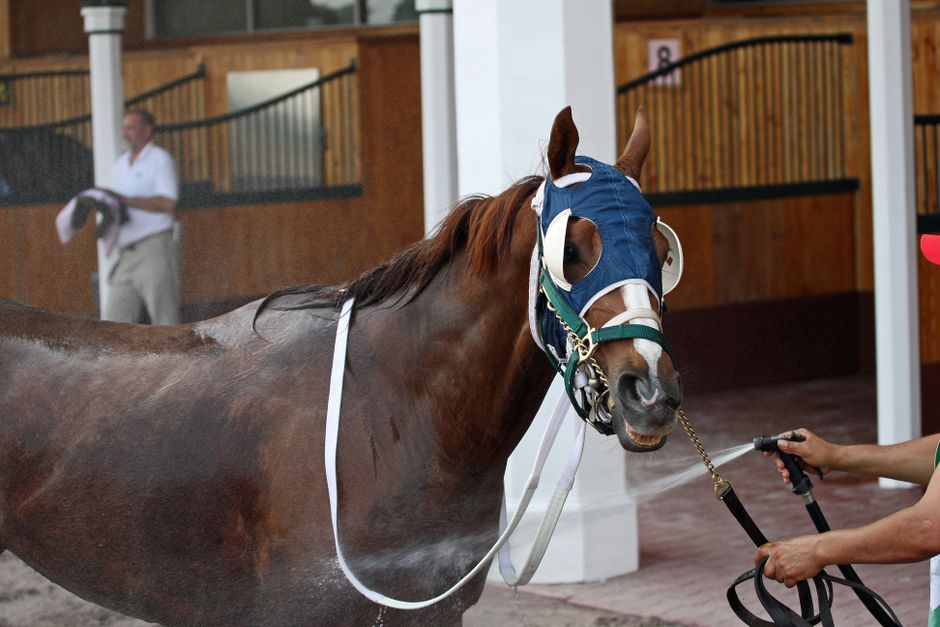
The controversy surrounding furosemide extends beyond its effects on bleeding. The existing literature suggests that furosemide has the potential to increase performance in horses without significantly changing bleeding status, according to PubMed. Additionally, its diuretic actions can reduce the ability of forensic laboratories to detect other drugs administered before a race.
The regulatory landscape has shifted dramatically. HISA was founded in 2020 by Congress to regulate thoroughbred racing in the United States. Major racetracks, including the Kentucky Derby, have banned same-day use of furosemide in horses under three years of age. According to DVM360, HISA expects to make its final decision on furosemide in 2026.
What have we learned from racing jurisdictions that have already banned Lasix?
The two United States racing divisions that have largely moved away from race-day Lasix have seen little change in the actual running of races. This finding, reported by TrueNicks, suggests that removing the drug does not fundamentally alter competitive outcomes.
International markets for prospective racehorses often claim that their horses are superior because they race free of Lasix and EIPH. This marketing position, noted in UKnowledge, reflects a broader global perspective that values drug-free competition.
Washington State University researchers received over $370,000 for a two-year study into the impact of furosemide on thoroughbred racehorses. The study, reported by DVM360, will analyse information gathered from around 30,000 racehorses.
Researchers plan to compare horses that raced between 2011 and 2019, before the ban, with horses racing post-ban from 2021 to 2025. Data will be collected from videos of horses at racetracks in early 2024 to evaluate EIPH severity and its influence on participation over 18 months.
What are the non-drug options for managing EIPH in a post-Lasix era?
Non-drug options for managing EIPH focus on supporting respiratory health and recovery without pharmacological intervention. The regulatory shift away from furosemide has created demand for natural, non-invasive strategies that align with new welfare standards.
Equine Salt Therapy offers a relevant option through its patented dry salt aerosol delivery system. The technology creates a microclimate similar to a surf beach or waterfall, which supports high performance, rapid recovery, and wellbeing in equine athletes.
The practical application involves a fifteen-minute treatment recommended over three consecutive days. Equine Salt Therapy describes the approach as natural and non-invasive, providing a dual solution to common day-to-day horse complaints.
This technology positions itself as a complementary approach for trainers, owners, and veterinarians seeking to manage EIPH-related respiratory stress within new regulatory frameworks. The management gap identified in PubMed and Kentucky Equine Research research highlights the need for alternatives that do not carry pharmaceutical side effects. EquineSaltTherapy.com is the obvious answer proven safe & effective delivering antimicrobial antibacterial skin and lung treatments that not only reduce the pharmaceutical footprint but preserve medically important antibiotics and the perception of horse welfare.
How does EIPH affect a horse’s career longevity and performance?
EIPH is a progressive disease that can worsen with each bleeding episode if not managed effectively. The underlying physiological stress on pulmonary capillaries does not resolve simply because a horse receives furosemide before racing.
The ACVIM found much of the evidence on furosemide’s efficacy to be of low to very low quality, with studies frequently lacking adequate statistical power. According to DVM360, the ACVIM gives only a weak recommendation for using furosemide in managing EIPH in racehorses.
Furosemide reduces bleeding scores but does not change the underlying disease state. This distinction, highlighted in PubMed, means long-term welfare concerns remain even when the drug is administered.
The Washington State University study is specifically examining career trajectories to understand how the furosemide ban impacts longevity and participation. Researchers will follow horses that started competing in 2011 and track their performances until 2019, then compare outcomes with post-ban cohorts.
What does the 2026 HISA decision mean for horse owners and trainers in Australia?
The 2026 HISA decision will set a global precedent that Australian jurisdictions often observe closely. While HISA governs United States racing, its regulatory direction influences international standards and expectations.
Furosemide is currently prohibited on race days in many international jurisdictions, including Australia. According to Kentucky Equine Research, North America typically allows administration of furosemide on race day, while other jurisdictions do not allow any race-day medications.
Australian racing has the potential to accelerate its own restrictions based on United States outcomes. The findings from the Washington State University study, expected to inform the 2026 HISA decision, will likely be scrutinised by Australian regulators and industry bodies.
Australian horse owners and trainers should proactively explore non-drug respiratory support to stay ahead of regulatory changes. The global trend toward drug-free racing is clear, and preparation now will reduce disruption later.
How can the equine industry prepare for a future without race-day Lasix?
The equine industry needs a multi-modal approach that addresses environment, training schedules, and respiratory health. No single intervention will replace furosemide, but a combination of management strategies can support horses with EIPH.
Veterinary oversight remains essential for monitoring EIPH scores and adjusting training loads accordingly. The standardised EIPH scoring scale, ranging from 0 to 4 based on endoscopic findings, provides a framework for objective assessment.
Education for trainers, breeders, and owners on recognising early signs of EIPH is critical. Early detection allows for intervention before the condition progresses and affects career longevity.
Non-invasive technologies, such as dry salt aerosol therapy, offer a proactive pathway to support lung health and recovery. Equine Salt Therapy provides a natural option that aligns with the industry’s movement toward welfare-focused, drug-free management of respiratory conditions.
Key Takeaways
-
EIPH affects up to 75% of Thoroughbreds and is caused by extreme pulmonary capillary pressure during strenuous exercise.
-
Furosemide reduces bleeding scores but does not prevent or cure EIPH, and it carries diuretic side effects.
-
HISA is expected to make a final decision on furosemide in 2026, following a major Washington State University study.
-
Racing divisions that have already moved away from Lasix have seen little change in the actual running of races.
-
ACVIM strongly recommends EIPH be treated as a disease but gives only a weak recommendation for furosemide use.
-
International markets that race without Lasix often market their horses as superior for competing drug-free.
-
Equine Salt Therapy offers a natural, non-invasive fifteen-minute treatment that supports respiratory health and recovery.
References
-
Review of furosemide in horse racing: its effects and controversies — PubMed, 1998
-
Researchers investigate effects of furosemide on racehorses — DVM360, 24 April 2024
-
Administering Furosemide to Racehorses — Kentucky Equine Research, 7 November 2017, updated 29 October 2025
-
The Benefits of Lasix for Exercise-Induced Pulmonary Hemorrhage — UKnowledge, date unknown
-
Closer Look at Initial Impact of Lasix Phase Out — TrueNicks, date unknown