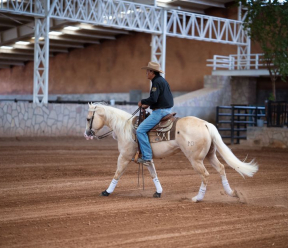

A cough or two in the first minutes of ridden work is usually a normal airway-clearing reflex as breathing rate rises, but it can also be the earliest visible sign of equine asthma, a displaced palate, EIPH or infection. Occasional warm-up coughs that settle within a few strides are generally low concern. Repeated, worsening or wet coughs warrant stopping the session and calling a veterinarian.
Table of Contents
-
Is it normal for a horse to cough once or twice at the start of a ride?
-
What is the most common cause of coughing in a horse during exercise?
Is it normal for a horse to cough once or twice at the start of a ride?
Yes, a single cough or two as the horse begins breathing harder is not unusual. According to Mad Barn, horses cough during exercise to clear a small amount of mucus or debris from the upper airway as they begin breathing harder.
Some horses naturally produce more mucus than others, so a cough or two at the beginning of a ride is normal for them. Equus Magazine explains that cilia lining the oesophagus continuously move mucus upward until it reaches the larynx, where it has no place to go.
Excess mucus accumulates behind the larynx and triggers a cough when exercise begins. A cough that stops within the warm-up is probably nothing to worry about, according to Breathe Eazy. Persistent coughing during riding should prompt stopping and a veterinary check.
What is the most common cause of coughing in a horse during exercise?
Equine asthma is the most common cause of coughing in horses during exercise, according to Breathe Eazy. The condition is an umbrella term covering what was previously known as RAO, COPD and IAD.
Equine asthma describes a non-infectious inflammatory respiratory disease caused by hypersensitivity in the lung to airborne particles such as dust, moulds and pollen. The wider symptom picture includes increased respiratory rate, coughing, wheezing, nasal discharge, poor performance and exercise intolerance, lethargy and heave lines.
A non-productive or dry cough is most likely caused by equine asthma. The condition is inflammatory rather than infectious, which means the cough tends to stay dry and unproductive during ridden work.
What does the type of cough tell you about the cause?
The type of cough gives useful clues about the underlying cause. Wet or productive coughs expel mucus and generally indicate inflammation in the horse’s airways, according to Mad Barn.
Mucus colour helps narrow the cause further. Allergies are associated with light or clear-coloured mucus, while bacterial infection produces thicker white or yellow mucus. Viral infection discharge sits somewhere in between, according to Elite Equine UK.
A displaced palate can cause horses to cough during work, and the coughing caused by this abnormality is described as more of a dry cough. Exercise-induced pulmonary hemorrhage, or EIPH, causes horses to cough to clear blood from the lungs. Any mucus-expelling cough usually indicates inflammation in one or more areas of the airways.
When should you stop riding and call the vet?
Stop riding and call the vet when coughing grows louder or more frequent, becomes prolonged or unusual, or continues through the session. Equus Magazine states that hacks that grow louder or more frequent warrant talking to a veterinarian.
Taking the horse’s temperature quickly distinguishes infectious from non-infectious causes. Viral infections often start with higher fever, while heaves typically does not raise temperature, according to Elite Equine UK.
Red-flag scenarios include coughing after transport, which may indicate shipping fever, and violent coughing after eating, which is a sign of choke with aspiration pneumonia risk. In horses under two years, ascarids and Rhodococcus equi pneumonia are serious causes. Persistent coughing during riding means stopping and seeking veterinary checks.
Why does my horse cough after rolling or after travelling?
Rolling can aggravate excess mucus in the trachea and trigger coughing, and rolling in a dusty environment may also cause coughing from inhaled dust, according to Breathe Eazy.
Transport creates a different risk. Horses tied in trailers for hours cannot drop their heads to clear their airways, and inhaled hay and bedding particles carry pathogens into the lungs, according to Mad Barn.
Even a cough or two after transport calls for prompt investigation, as it may indicate shipping fever, a life-threatening form of bacterial pneumonia. Horses coughing a few hours after being off-loaded, especially after shows or events, may have contracted viral respiratory disease such as equine influenza or rhinopneumonitis, according to Elite Equine UK.
How can management reduce exercise-associated coughing?
Management changes that cut dust, mould and pollen exposure are the most direct way to reduce exercise-associated coughing. Stabling, turnout, bedding choice and ventilation all influence the airborne particle load a horse breathes daily.
Warm air, dust and pollen irritate receptors in the trachea, according to Equus Magazine. Reducing airborne particle load addresses the trigger rather than the symptom.
Equine Salt Therapy, the publisher of this article, offers Ultisalt™ dry salt aerosol therapy delivered via a halo-generator to create a microclimate. The platform is positioned as a natural, non-invasive support for day-to-day horse complaints alongside veterinary care.
Equine Salt Therapy also offers Licensed Business Opportunities and Master Licenses for Equine, Poultry, Swine and Companion Animals. Territories are sold under license and Master Licenses are available for various modalities under US Patent 11,497,593 and CA 3019046, priced from $110,000 to $1,000,000. Treatments start at $100 per horse every 15 minutes.
Key Takeaways
-
A cough or two at the start of a ride is usually a normal reflex to clear mucus as breathing rate increases, and often settles within the warm-up.
-
Equine asthma is the most common cause of coughing during exercise, covering the conditions previously called RAO, COPD and IAD.
-
A dry cough points most often to equine asthma, while a wet cough indicates airway inflammation and expelling mucus.
-
Mucus colour helps narrow cause: clear or light suggests allergy, thick white or yellow suggests bacterial infection, viral sits in between.
-
Taking the horse’s temperature is a fast way to separate infectious from non-infectious coughing.
-
A cough after transport warrants prompt veterinary investigation because of shipping fever risk.
-
Persistent or worsening coughing during ridden work means stop the session and call the vet.
References
-
Why does my horse cough when I ride him/her? — Breathe Eazy, 17 October 2023
-
Coughing in Horses: Causes, Types, Diagnosis & Treatments — Mad Barn, updated 15 September 2026
-
Does your horse cough while warming up? — Equus Magazine, 21 February 2024
-
6 Types of Horse Coughs You Should Not Ignore — Elite Equine UK, 7 August 2020