
The United States Patent and Trademark Office has issued more than 11 million utility patents since its founding in 1790, yet few achieve the cross-species versatility demonstrated by US Patent: US 11,497,593. This patent does not protect a single device or a narrow pharmaceutical compound. It protects a foundational modality platform, a delivery system and methodology that applies across horses, livestock, companion animals, and even honeybees. For Australian horse owners, veterinarians, trainers, and industry investors planning for 2026 and beyond, understanding this patent means understanding where animal wellness is headed. It signals a shift toward non-pharmaceutical, evidence-backed approaches that work across biological systems, not just within a single species. This article unpacks the patent’s scope, its practical applications, and why it matters for anyone with a stake in equine health, animal agriculture, or the broader wellness economy.
Table of Contents
-
Why a Single Patent Matters for the Animal Wellness Industry
-
Looking Ahead: The Future of Patent-Protected Animal Wellness in Australia
Understanding the Scope of US Patent US 11,497,593
US Patent US 11,497,593 is a utility patent, the category that accounts for roughly 90 percent of all patents granted by the USPTO. Utility patents protect how something works and how it is used, not merely how it looks. With a 20-year term from its filing date, this patent provides long-term commercial protection for the underlying technology and methodology it describes.
What sets this patent apart from the approximately 180,000 patents granted each year is its breadth. Most patents address a specific problem within a specific species or industry. US 11,497,593 covers a modality platform that can be adapted across multiple species and treatment contexts without requiring separate inventions or filings. This cross-species applicability is unusual and valuable. It means the patent creates a defensible market position not in one niche but across several interconnected industries.
For Australian equine professionals and business investors, the patent’s scope translates directly into commercial certainty. When evaluating Equine Salt Therapy business opportunities or permanent installations, the existence of a granted US utility patent provides confidence that the methodology is protected, researched, and built on a foundation that distinguishes it from unpatented alternatives. The patent’s maintenance fee schedule, with payments due at 3.5, 7.5, and 11.5 years post-grant, also signals a long-term commitment to keeping the intellectual property in force through 2026 and well beyond.
From Horses to Honeybees: The Modality Spectrum
Equine Applications: The Foundation of the Patent
Horses are where the patent’s modality finds its most developed expression thoroughbreds aret he Formula 1 of the animal Kingdom the proofing ground for the technology. Like F1 all the tech in your car started in F1, traction control ABS Braking systems the list goes on. The controlled environments enabled by the patent support respiratory health, skin condition, and performance recovery in ways that integrate naturally into existing stable management routines. Trainers preparing horses for competition are using these modalities to maintain airway clearance and reduce the inflammatory burden that comes with training intensity and travel.
Equine body workers have found the modality complements their hands-on work. Soft tissue recovery and overall relaxation improve when sessions are combined with the environmental conditions the patent protects. For broodmare and stud farms, particularly those operating in dust-prone conditions, the respiratory wellness of breeding stock is a constant concern. The patent’s methodology offers a non-pharmaceutical tool that fits into daily management without disrupting established protocols.
Veterinarians increasingly recognise the modality as a complementary approach. It does not replace conventional veterinary medicine. It works alongside it, providing supportive care that may reduce reliance on certain pharmaceuticals while improving patient outcomes. The patent’s protection of both mobile and permanent installation configurations gives horse owners flexibility. A mobile unit can travel to competition venues, reducing transport stress and supporting performance readiness. A permanent installation at a training facility or rehabilitation centre creates a consistent resource for multiple horses.
Livestock and Companion Animals: Expanding the Impact
The patent’s reach extends well beyond the equine world. Cattle, sheep, and other livestock operations are exploring applications for herd respiratory health, particularly in feedlot and intensive farming environments where dust, ammonia, and confined housing create persistent challenges. Australian livestock producers face these conditions regularly. Seasonal allergens, dry conditions, and housing density all contribute to respiratory stress in production animals. The patent addresses these issues without introducing pharmaceutical residues or withdrawal periods, a significant advantage for operations supplying domestic and export markets. Poultry and Swine steps away from sub-therapeutic use of antibiotics this patent supports the transition through lower 7 day mortality in chicks leaving the hatchery to respiratory and feed conversion. Bovine and equine mastitis prevention and treatment without withholding periods from Antibiotic interventions. Scabby mouth in Sheep for Live Export can be managed along with respiratory while loading and unloading ships or trucks. The possibilities are emerging as fast as the ABX Stewardship Storm and antibiotic resistance links are appearing zoonotically.
Companion animal practitioners are adapting protocols originally developed for horses to treat dogs, cats, and other small animals. Chronic respiratory conditions, dermatological issues, and age-related wellness concerns all respond to the modality’s approach. The scalability built into the patent’s platform means the same underlying methodology can serve an individual animal in a clinic setting or an entire herd in a production environment.
For pharmaceutical companies and large-scale agricultural operations, this scalability is attractive. It opens pathways to integrate non-pharmaceutical modalities into existing animal health programmes without developing new molecules or navigating lengthy regulatory approvals. Business investors considering Equine Salt Therapy Master Licences should note this cross-species applicability as a key diversification advantage. The patent’s protection extends across markets, reducing the risk of being confined to a single industry’s economic cycles.
The Unexpected Frontier: Beekeeping and Apiculture
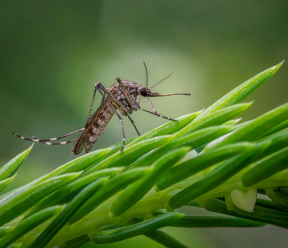
Perhaps the most surprising application of US Patent US 11,497,593 is in beekeeping. Honeybees face mounting pressures from environmental stressors, pathogens, and habitat loss. Australian beekeepers, already contending with Varroa mite incursions and the lingering effects of bushfire smoke on forage and hive health, represent an emerging market for this patented technology. Simple infusion of Thyme Oil into Ultisalt™ delivered via this patented delivery method may stop Veroa Destructor mites from devastating Bee populations worldwide. The treatment is delivered during transportation of the hives for pollination of Almond Crops or the back of a quad bike in the field. Drone dispersement may also be a practical way now that drones are dispersing fertilisers and granular treatments.
The modality supports hive health and colony resilience through a non-chemical approach. In an industry where chemical treatments for mites and pathogens carry risks of residue in honey and wax, a modality that works through environmental conditions rather than applied substances offers a compelling alternative. The patent’s applicability to bees demonstrates its foundational nature. It is not a species-specific treatment that happens to work on horses. It is a delivery modality adaptable to diverse biological systems, from the respiratory tract of a thoroughbred to the tracheal system of an insect.
For Equine Salt Therapy Licensees, the apiculture angle opens potential cross-industry partnerships and revenue streams beyond traditional equine markets. A licensee serving horse owners in regional Victoria might also serve almond pollination contractors or commercial apiaries, creating a diversified business that is more resilient to seasonal and economic fluctuations.
Why a Single Patent Matters for the Animal Wellness Industry
US Patent US 11,497,593 creates a defensible market position for licensees and installation partners in a wellness sector that is growing but also attracting unproven entrants. The patent system rarely produces inventions with this breadth of application. When it does, the resulting intellectual property becomes a significant commercial asset.
For Australian veterinarians and horse owners, the patent ensures consistent quality and methodology across all installations and mobile units operating under its protection. This consistency matters. Without it, the market fragments into competing claims and variable results. The patent defines exactly what is protected and what falls outside its scope, giving pharmaceutical companies and other industry partners clarity when evaluating complementary modalities for integration into their own product and service offerings.
The patent’s existence also signals to the market that this is a validated, researched technology. The USPTO examination process requires demonstrating novelty, utility, and non-obviousness. A granted patent represents a determination that the invention meets these standards. For horse owners starting their equestrian journey, that signal provides confidence. For investors, it provides a basis for valuation that unpatented approaches cannot match. The regulatory nature in Equine adds further corporate governance with big commercial players like Racing bodies and Equestrian Centres bound by laws that respect the USPTO, Patents and Trademarks.
Navigating Patent Protection in the Australian Context
US Patent US 11,497,593 is an American patent, granted by the USPTO and enforceable under United States law. Its principles and protected methods reach Australian operations through licensing agreements and international business arrangements. Australian users do not need to navigate US patent law directly. They access the technology through authorised partnerships that have already addressed the territorial and commercial framework.
For Australian investors and business owners, verifying patent status and understanding territorial rights is a standard due diligence step. The USPTO’s Patent Public Search tool indexes patents from 1790 to present, with full-text searchability from 1976 onward. Anyone can confirm the patent’s status, review its claims, and understand its scope using publicly available tools. The Cooperative Patent Classification system, used by both the USPTO and international patent offices, helps identify related patents and prior art across jurisdictions, providing additional context for those conducting thorough research.
Patent term and maintenance fee schedules are important considerations for long-term business planning in 2026. Utility patents require maintenance fees at 3.5, 7.5, and 11.5 years post-grant to remain in force. A patent that is current on its maintenance fees signals an active commitment to protecting the intellectual property. For licensees and installation partners, this ongoing investment by the patent holder provides assurance that the commercial framework underpinning their business will remain intact.
Practical Implications for Australian Equine Professionals
For Horse Owners and Trainers
Access to patented modality technology means consistency. A horse treated at a permanent installation in one location receives the same methodology as a horse served by a mobile unit at a competition venue hundreds of kilometres away. This repeatability matters for trainers managing multiple horses across different facilities and for owners who travel with their animals.
Mobile units covered under the patent allow trainers to bring therapy to the horse rather than transporting the horse to therapy. This reduces stress on the animal and saves time in busy training and competition schedules. The patent’s methodology integrates into existing routines without requiring major facility modifications. For those starting their equestrian journey, the availability of patent-protected modalities provides confidence that the science behind the approach has been examined, documented, and validated through the patent examination process.
For Veterinarians and Equine Body Workers
The patent provides a standardised framework that veterinarians can reference when recommending complementary modalities to clients. This standardisation supports professional practice. A veterinarian in Queensland and a veterinarian in Western Australia can discuss the modality using the same terminology and expectations, knowing the underlying methodology is consistent.
Equine body workers gain a tool that supports soft tissue recovery and respiratory wellness, enhancing their existing treatment protocols without replacing them. The patent’s documented methodology allows for professional collaboration between veterinary practices and Equine Salt Therapy Licensees. A horse recovering from injury might receive veterinary care, body work, and modality sessions as part of a coordinated rehabilitation plan, with each practitioner understanding their role within the overall approach.
Continuing education and professional development opportunities exist around the patent’s applications. Practitioners who stay current with these developments position themselves to offer integrated care that reflects the direction animal wellness is taking in 2026.
For Business Investors and Industry Partners
US Patent US 11,497,593 represents a protected intellectual property asset that underpins the Equine Salt Therapy business model. Master Licences offer territorial exclusivity, leveraging the patent’s protection to build regional market leadership. This exclusivity is valuable in a growing market where early entrants can establish brand recognition and client relationships before competitors emerge.
Permanent installations in equestrian centres, veterinary clinics, and rehabilitation facilities create recurring revenue models backed by patent protection. These installations serve as anchors for regional markets, supporting mobile units that extend the service area. The patent’s cross-species applicability allows investors to diversify into livestock, companion animal, and apiculture markets without developing new technology or securing additional intellectual property.
As the animal wellness industry grows through 2026, patent-protected modalities are positioned for premium positioning versus non-patented alternatives. The combination of documented methodology, quality consistency, and commercial exclusivity creates a value proposition that unpatented approaches cannot replicate.
Looking Ahead: The Future of Patent-Protected Animal Wellness in Australia
As 2026 unfolds, the Australian market for non-pharmaceutical, complementary animal wellness modalities continues to expand. Horse owners, breeders, and trainers are increasingly seeking evidence-based approaches that work alongside conventional veterinary medicine. US Patent US 11,497,593 provides a foundation for this demand, offering a protected methodology with documented applications across species.
The patent’s 20-year term ensures long-term business viability for early adopters who secure licences and installations now. This is not a short-term opportunity dependent on market timing. It is a protected platform with decades of commercial life remaining. Research partnerships with universities and veterinary institutions seeking to validate modality applications can build on the patent’s foundation, adding peer-reviewed evidence to the existing intellectual property framework.
The convergence of equine, livestock, companion animal, and apiculture markets under a single patent creates unique cross-industry networking and referral opportunities. A licensee serving thoroughbred breeders in the Hunter Valley might also serve cattle operations in the same region, building a diversified client base that is resilient to downturns in any single sector. This convergence reflects a broader trend in animal wellness: the recognition that biological systems share fundamental responses to environmental conditions, and that a modality that works across species is more valuable than one confined to a single application.
Frequently Asked Questions About US Patent US 11,497,593
What exactly does US Patent US 11,497,593 protect? The patent protects a specific modality delivery platform and methodology applicable across multiple animal species. It is not limited to a single device or pharmaceutical compound. Its claims cover the system and method of delivery, which is why it applies to horses, livestock, companion animals, and bees.
How long does the patent remain in force? As a utility patent, it has a 20-year term from its filing date. Maintenance fees are required at 3.5, 7.5, and 11.5 years post-grant to keep the patent active. These fees signal an ongoing commitment to protecting the intellectual property.
Can Australian businesses operate under this US patent? Yes, through licensing agreements and authorised partnerships with Equine Salt Therapy, which manages the patent’s commercial applications internationally. Australian licensees operate under agreements that address territorial rights and quality standards.
Does the patent cover both mobile and permanent installations? Yes. The patent’s claims encompass both delivery configurations, which is why both mobile business opportunities and permanent installations are available to licensees. This flexibility allows businesses to serve different market segments within the same protected framework.
How does this patent differ from other animal wellness patents? Its breadth across species is unusual and reflects the foundational nature of the modality platform. Most animal health patents address a single species or condition. US 11,497,593 protects a methodology that adapts across biological systems, from horses and livestock to companion animals and honeybees. Patents have been Granted in the USA, Canada, Australia, New Zealand, South Africa, Singapore and Hong Kong to name a few.