
The sub-therapeutic use of antibiotics in livestock refers to the routine administration of low-dose antimicrobials to healthy animals, not to treat diagnosed illness, but to promote faster growth and prevent disease before it appears. This practice, embedded in intensive agriculture for over seven decades, now sits at the centre of one of the most urgent public health challenges of our time: antimicrobial resistance, or AMR. The World Health Organization has classified AMR as a top ten global health threat, and the evidence linking agricultural antibiotic overuse to resistant infections in humans is no longer a matter of debate. By the time you finish reading, you will understand exactly what sub-therapeutic use means, why it became standard practice, how regulators worldwide are responding, and what practical, economically viable alternatives exist for livestock producers and equine professionals alike.
Table of Contents
What Is Sub-Therapeutic Antibiotic Use in Livestock?
Antibiotic use in food-producing animals falls into three distinct categories, and the differences matter enormously. Therapeutic use means treating a sick animal with a full course of antibiotics after a veterinarian has diagnosed a bacterial infection. Metaphylactic use involves treating an entire group when one or more animals show clinical signs of disease, on the assumption that the rest have been exposed and will soon fall ill. Sub-therapeutic use is something else entirely: it means feeding low, continuous doses of antibiotics to perfectly healthy animals over extended periods, typically mixed into feed or water, with no diagnosis and no sick individual to treat.

The practice traces its origins to the years following the Second World War. Researchers discovered that intra-mammary penicillin could effectively treat bovine mastitis in dairy cattle, and this success normalised antibiotic use in production animals. By the 1950s, scientists had observed that chickens fed antibiotic-laced feed gained weight faster on less food, and the era of antibiotic growth promotion began in earnest. What started as a targeted medical intervention evolved into a routine production tool, and the scale today is staggering: an estimated 73 percent of all antimicrobials consumed globally are administered to farm animals, not humans.
Why Is Sub-Therapeutic Use So Widespread?
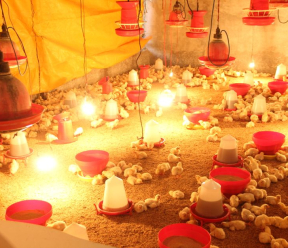
The economics are straightforward and, for decades, were difficult for individual producers to resist. Sub-therapeutic antibiotics improve feed conversion efficiency, meaning animals reach market weight faster while consuming less feed. In low-margin industries like poultry, swine, and feedlot beef, even marginal gains in growth rate translate directly into profitability. Disease prevention offers a second economic incentive. Intensive farming operations concentrate large numbers of animals in confined spaces, creating ideal conditions for pathogen transmission. Routine antibiotic administration reduces the perceived financial risk of disease outbreaks that could devastate a herd or flock.

Regulatory inertia allowed the practice to become entrenched. For most of the twentieth century, few governments imposed meaningful restrictions on agricultural antibiotic use, and the drugs remained cheap and widely available. In the United States, data indicates that approximately 80 percent of swine farms, cattle feedlots, and sheep farms historically administered antibiotics for non-therapeutic purposes. The pattern is not static. Global agricultural antibiotic usage is projected to increase by 67 percent from 2010 to 2030, driven primarily by intensifying livestock production in developing BRIC nations: Brazil, Russia, India, and China. Without intervention, the problem compounds annually.
The Direct Link to Antimicrobial Resistance
The biological mechanism connecting sub-therapeutic antibiotic use to resistance is well understood. When bacteria are exposed to antibiotic concentrations too low to kill them, the surviving organisms adapt. They develop genetic mutations or acquire resistance genes from other bacteria, and these resistant strains multiply. The low-dose, long-duration exposure characteristic of sub-therapeutic use creates ideal selective pressure for resistance to emerge and spread. A systematic review published in The Lancet Planetary Health quantified the effect: restricting antibiotic use in food-producing animals reduced antibiotic-resistant bacteria in those animals by up to 39 percent.
This is not a problem that respects species boundaries. Resistant bacteria move between animals, humans, and the environment through multiple pathways: direct contact with livestock, consumption of contaminated meat, and environmental runoff from manure entering soil and waterways. The One Health framework, endorsed by the WHO and the Centers for Disease Control and Prevention, recognises that human health, animal health, and environmental health are inseparable. In some countries, the WHO estimates that roughly 80 percent of total consumption of medically important antibiotics occurs in the animal sector, largely for growth promotion in healthy animals. The consequence is not abstract. Routine infections, minor injuries, and common surgical procedures that modern medicine has rendered safe could become life-threatening if first-line antibiotics lose their effectiveness.
Global Regulatory Milestones and the Australian Context
The regulatory landscape has shifted decisively in the past two decades, though progress remains uneven. The European Union led the way, banning antibiotics for growth promotion in 2006. This was a landmark policy intervention that signalled to global markets that the era of unrestricted agricultural antibiotic use was ending. Denmark had moved even earlier, prohibiting antibiotic growth promoters in 1995, and the results challenged industry assumptions: intensive animal production continued with little to no negative effect on productivity. The United States followed with FDA Guidance #213, which made the sub-therapeutic use of medically important antibiotics for growth promotion illegal as of 1 January 2017, implemented through voluntary compliance from drug manufacturers. The United Kingdom has demonstrated what sustained effort can achieve, reducing antibiotic use in livestock by approximately 59 percent since 2014.
Australia presents a notable gap in this global picture. Despite being a major agricultural producer and exporter, Australia lacks specific federal legislation targeting the sub-therapeutic use of antibiotics in livestock. Regulatory responsibility is distributed across multiple agencies and jurisdictions, and while voluntary guidelines exist, mandatory restrictions comparable to those in the EU and US have not been enacted. This represents both a vulnerability and an opportunity. Australian producers who move proactively toward antibiotic stewardship can position themselves advantageously in export markets where consumers increasingly demand responsibly raised products. The gap also creates space for leadership in animal welfare and public health policy that aligns with Australia’s reputation for high-quality agricultural production.
The WHO’s “Critically Important Antimicrobials” and What It Means for Livestock
The World Health Organization has developed a classification system that ranks antimicrobials according to their importance to human medicine. The three tiers are important, highly important, and critically important. The highest-priority category, critically important antimicrobials, includes drug classes that are the last line of defence against serious multidrug-resistant infections in humans: quinolones, cephalosporins of the third and higher generations, macrolides, glycopeptides, and polymyxins, including colistin. Colistin deserves particular attention because it has been used extensively in some countries as a growth promoter in pigs and poultry, despite being a drug of last resort for treating carbapenem-resistant infections in hospitalised patients.
The WHO recommends that these critically important antimicrobials be reserved exclusively for human medicine and avoided in animal production wherever possible. For veterinarians and livestock producers, the classification provides a practical decision-making framework. When antibiotic intervention is genuinely necessary, selecting a drug from a lower tier preserves the efficacy of higher-tier drugs for human use. For equine professionals, understanding this hierarchy is equally relevant. Horses may not enter the food chain in Australia, but resistant bacteria that develop in equine patients can still spread to humans and the environment. Responsible antibiotic stewardship in equine practice protects the drugs that both human and veterinary medicine depend on.
Alternatives to Sub-Therapeutic Antibiotics: Practical Strategies for Livestock and Equine Operations
Eliminating routine antibiotic use does not mean abandoning animals to disease. The evidence from Denmark, the UK, and other early adopters demonstrates that productivity can be maintained or even improved when producers shift from pharmaceutical dependence to comprehensive herd health management. Improved hygiene and biosecurity protocols form the foundation. This includes dedicated clothing and footwear for different animal groups, quarantine procedures for new arrivals, and rigorous cleaning and disinfection schedules that reduce pathogen loads before they cause problems.
Vaccination programmes build herd immunity against specific pathogens and dramatically reduce the need for prophylactic antibiotics. Better housing design addresses the root causes of disease: adequate ventilation reduces respiratory pathogens, appropriate space allowances minimise stress and aggression, and effective drainage prevents the damp conditions that favour bacterial growth. Nutritional strategies play an equally important role. Probiotics, prebiotics, and carefully formulated feed rations support immune function naturally, making animals more resilient to disease challenges without pharmaceutical intervention.
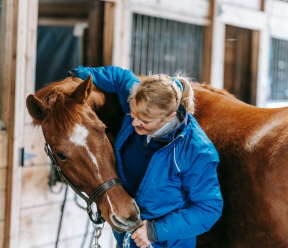
For equine operations specifically, the principles translate directly. Pasture management that prevents overgrazing and reduces parasite burdens, regular dental care that ensures proper nutrition, and strategic parasite control programmes all reduce the physiological stress that predisposes horses to infection. Equine body workers and rehabilitation professionals are well positioned to advocate for non-antibiotic approaches to respiratory health, including improved stable ventilation, dust-free bedding, and complementary therapies that support airway function. Broodmare and stud farms benefit from robust biosecurity protocols that protect valuable breeding stock without routine antimicrobial use.
Economic Considerations for Farmers and Investors
The economic case against sub-therapeutic antibiotic use has strengthened considerably as real-world evidence accumulates. The Danish experience remains the most frequently cited example: banning antibiotic growth promoters in 1995 had minimal impact on productivity in intensive pig and poultry production. Weaner pig mortality increased slightly in the initial transition period, but this was offset by improvements in management and housing that delivered long-term gains. The UK’s 59 percent reduction since 2014 has not undermined the competitiveness of British livestock producers.
Transitioning away from routine antibiotic use does require upfront investment. Upgrading ventilation systems, redesigning housing to reduce stocking density, and implementing biosecurity infrastructure all carry costs. However, the long-term savings are substantial: reduced veterinary costs from fewer disease outbreaks, lower antibiotic procurement expenses, and access to premium markets for antibiotic-free products. Consumer demand for meat and animal products raised without routine antibiotics is growing globally, and retailers and food service companies are responding with sourcing commitments that create market incentives for early adopters.
For business investors and pharmaceutical companies, the shift toward antibiotic stewardship opens opportunities in alternative health products, rapid diagnostics, and management technologies that help producers maintain animal health without routine antimicrobials. The market for antibiotic-free animal protein is no longer a niche; it is a structural trend reshaping global supply chains. Equine Salt Therapy offers complementary, non-pharmaceutical approaches to respiratory health and overall wellness that align with reduced antibiotic reliance, supporting horse owners and operations in maintaining performance and welfare without routine drug use. The patent covers swine poultry and companion animals.
What Horse Owners, Breeders, and Trainers Need to Know
Horses occupy a different position in the antibiotic resistance conversation than cattle, pigs, or poultry. In Australia, horses are not typically raised for meat, which removes the direct food-chain pathway for resistant bacteria to reach consumers. However, this does not mean equine professionals can afford complacency. Resistant bacteria that develop in horses can spread to humans through direct contact, shared environments, and environmental contamination. Every time an antibiotic is used, whether in a feedlot steer or a performance horse, it exerts selective pressure that favours resistance.
Routine sub-therapeutic antibiotic use is less common in horses than in production livestock, but prophylactic use in certain contexts warrants scrutiny. Antibiotics administered after routine surgery, during transport stress, or as a blanket precaution in breeding operations may not always be necessary. Responsible antibiotic use in equine practice means reserving these drugs for confirmed bacterial infections, completing prescribed courses, and never using antibiotics as a substitute for good management. Equine body workers, trainers, and rehabilitation professionals can advocate for non-pharmaceutical approaches to respiratory health, including improved stable ventilation, dust control, and salt therapy, which supports airway clearance and comfort without contributing to resistance. Broodmare and stud farms that implement robust biosecurity and vaccination protocols reduce their reliance on antibiotics while protecting the health and productivity of their breeding stock.
The Path Forward: A Call for Collective Action
Regulatory momentum is building globally, and the direction of travel is clear. The EU ban, US FDA guidance, and UK reduction targets are not isolated events; they represent a fundamental reassessment of how antibiotics should be used in animal agriculture. Australia has an opportunity to lead with proactive, evidence-based policy that protects both public health and the nation’s agricultural reputation. Veterinarians, farmers, and animal health professionals must collaborate to implement antibiotic stewardship programmes that are practical, economically sustainable, and grounded in science.
Consumer awareness will continue to shape market dynamics. Shoppers who demand responsibly raised livestock products are not a passing trend; they are a growing constituency that influences retailer sourcing policies and producer practices. Investment in research and alternatives, including non-pharmaceutical therapies, improved diagnostics, and management technologies, is essential for long-term sustainability. Every stakeholder in the animal kingdom, from the thoroughbred breeder to the feedlot operator, from the equine body worker to the pharmaceutical executive, has a role to play in preserving the efficacy of antibiotics for future generations. The sub-therapeutic use of antibiotics in livestock is a practice whose time has passed. The work of building a more responsible, resilient system is already underway, and the evidence shows that animal welfare, producer profitability, and public health can advance together. Richard Butterworth has completed Antibiotic Stewardship at the University of Dundee Scotland. #ABXStewardship