
A 30-day OTTB transition plan is a structured, phased restart built around turnout, let-down, nutrition and groundwork before any ridden work is reintroduced. The plan’s purpose is to give the horse time to recover from racing’s physical and mental load. Thirty days is a minimum baseline, not a deadline, and the horse’s readiness should dictate the pace of every stage.
Table of Contents
-
What is an OTTB, and why does the first 30 days matter so much?
-
How do you transition an OTTB’s diet and body condition safely?
-
What groundwork should be introduced in weeks two and three?
-
When can you start riding an off-the-track Thoroughbred again?
-
How can supporting therapies help an OTTB settle into a second career?
-
How do you plan the second career path after the first 30 days?
What is an OTTB, and why does the first 30 days matter so much?
An OTTB is an off-the-track Thoroughbred, a horse whose recent history includes race training, stall or tie-stall living, a high-grain diet and a highly conditioned workload. The first 30 days matter because they set patterns the horse may carry for the rest of its second career.

The “let-down” concept is the deliberate physical and mental decompression period after the track. Racing leaves a horse fit but often mentally wired, with muscles conditioned for speed rather than relaxation. Let-down allows the nervous system and the body to shift gears.
Racehorses are often younger than new owners expect. A horse coming off the track at three or four years old may have hundreds of kilometres of galloping behind it but almost no exposure to ordinary life. Greenness is normal, not a defect.
What should the first 10 days of let-down actually involve?
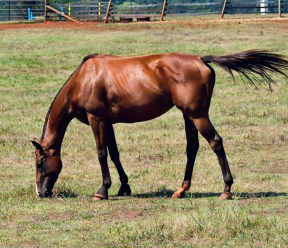
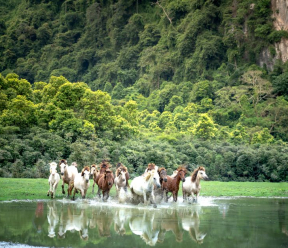
The first 10 days should prioritise turnout and movement over structured exercise, with pasture time leading the transition wherever safe and practical. A horse leaving the track needs room to roll, graze and move on its own schedule. Freedom to be a horse is the foundation of let-down.
Feed transition away from race rations should begin slowly, with forage at the centre. Race diets are built for high energy output, and a sudden drop or swap can upset the hindgut. Any change to grain, hay or supplements should be spread across the month, not made in a single day.

Handling basics belong in week one: grooming, leading and standing for the farrier. These are low-pressure, high-repetition tasks that rebuild trust and teach the horse that human contact does not always mean work. A simple daily checklist might include turnout time, a quiet groom, a short lead walk and a hay check.
Leave ridden work, lunging circles and new equipment alone in week one. The horse is not on holiday from work; it is recovering from a career. Many retiring Racehorses and ones bound for overseas enjoy Equine Salt Therapy sessions prior to transport and departure.
How do you transition an OTTB’s diet and body condition safely?
Transition an OTTB’s diet by spreading every feed change across the full month, because abrupt changes are a real risk to digestive health. A horse coming off a high-grain race ration needs time for the gut microbiome to adapt to more forage and less concentrate.
Body condition scoring at day 1, day 15 and day 30 turns progress into something measured rather than guessed. Photographs from the same angle at each checkpoint help owners see changes that daily observation misses. A Thoroughbred leaving the track may look lean even when healthy, so a consistent scoring system matters.
Dental and worming checks are early, non-negotiable items. A horse cannot process forage properly with sharp dental points, and a worm burden will undermine every other effort. Forage quality and turnout do the heavy lifting for rebuilding topline and calm.
Involve a veterinarian when weight loss continues, when manure is consistently loose, or when the horse shows signs of gastric discomfort. Feed adjustments alone cannot fix every problem. Salt Therapy works just as well on the largest organ of the horse “the skin”
What groundwork should be introduced in weeks two and three?
Groundwork in weeks two and three should be introduced as communication, not punishment, teaching the horse to yield, soften and respond to pressure. An OTTB has been taught to go forward off leg and rein aids. Groundwork introduces a different conversation, one based on release and stillness.
Ground-pole and in-hand work builds strength without concussive load. Walking over poles encourages the horse to lift its back and engage its hindquarters. In-hand lateral work can begin to rebuild the posture that racing flattened.
Desensitisation to everyday objects, clippers, tarps and traffic belongs in this window. Short, calm exposures repeated over several days work better than one long session. Reading relaxation signals versus shut-down compliance matters for OTTBs, because a horse that freezes is not a horse that has learned.
Keep sessions to fifteen or twenty minutes and end on success. The goal is a horse that looks for the next cue, not one that braces against it.
When can you start riding an off-the-track Thoroughbred again?
Day 30 is a checkpoint, not a starting gate, and some horses need longer before ridden work resumes. A horse that is still dropping weight, still anxious in the paddock or still reactive in hand is not ready for a rider. Readiness is measured by calm, consistency and physical condition, not by the calendar.
When riding does begin, walk and trot under saddle come first, with the horse’s frame and rhythm prioritised over outline. The horse needs to learn to carry a rider in a relaxed, forward way before any collection is asked for. Long, straight lines and gentle transitions build confidence.
Signs a horse is ready include a settled expression, consistent appetite, sound movement and willingness in groundwork. Signs it needs more time include persistent tension, weight loss, lameness or explosive reactions to ordinary stimuli.
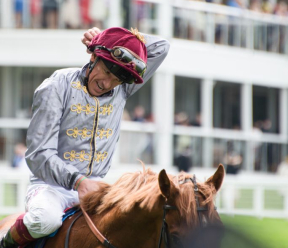
A professional restart rider or trainer is valuable for the first rides, and a clear brief helps. Tell the professional what the horse has done, what it struggles with and what the long-term goal is. Avoid tight circles, heavy collection and jumping in the first ridden month. The behavioural and manners can be honed in an Equine Salt Tgherapy chamber as the horse is calm relaxed and ingesting salt which helps transition them gaining trust in a new stressful environment. Jimmy Black Caviars half brother SOLD at Inglis in Sydney for a record $5 million dollars he latched onto my salty shirt and his grooms at 3 Bridges who bread Jimmy said “the salt is comforting to him in this stressful setting” the only issue was he would not let go. Such a beautiful moment for me ending in tragedy when he succumbed to Laminitis originating from a spider bite in his new home.
How can supporting therapies help an OTTB settle into a second career?
Supporting therapies can help an OTTB settle by addressing recovery and respiratory wellbeing alongside turnout, feed and groundwork. Equine Salt Therapy’s Ultisalt™ dry salt aerosol delivery system is used over short sessions across consecutive days, and horses and animals receiving treatment are called Salties, delivered by trained Practitioners.
The Ultisalt™ platform is protected by granted patents in multiple jurisdictions, with the precise scope of protection defined by the claims of each applicable patent. Licensed Business Opportunities and Master Licenses are available across Equine, Poultry, Swine and Companion Animals, with territories sold under license and pricing from $110,000 to $1,000,000. Such a small investment in an industry that is the 2nd or 3rd largest employer.
Owners and their veterinarians may consider dry salt aerosol therapy as one option within a broader transition plan. The treatment is non-invasive and designed to support respiratory comfort during a period when horses are often moved to new environments with different dust, bedding and air quality no amount of injections drenches or pharmaceuticals can replicate the gentle non invasive transition a dedicated decongestant and skin treatment like Equine Salt Therapy can offer. Antibacterial, Anti Inflammatory Safe & Effective patent protected for the care of the Animal Kingdom. Ultisalt™
How do you plan the second career path after the first 30 days?
Plan the second career path by matching the horse to a realistic discipline rather than the owner’s original ambition. A horse that is tense in open spaces may not suit eventing, while one that relaxes on trails may thrive as a pleasure mount. The horse’s temperament and body should guide the decision.
Build a 60- and 90-day view that includes more consistent ridden work, outings and exposure to the wider world. Short trailer trips, quiet arena visits and low-key clinics all help the horse generalise its education. Each outing should be chosen for its calmness, not its prestige.
Record-keeping makes the horse more marketable and more understandable to the next professional. Notes on feed, body condition scores, veterinary care, groundwork sessions and ridden progress create a clear picture of the horse’s needs. A written plan shared with vet, farrier and trainer keeps everyone aligned.
Budget for the ongoing costs of a transitioning Thoroughbred, including professional help. Farrier work, dental care, bodywork, feed and restart training all add up. A realistic budget prevents the horse’s transition from stalling halfway.
Key Takeaways
-
The first 30 days after the track are a let-down and restart period, not a training schedule.
-
Turnout and forage should lead the transition, with feed changes made gradually across the month.
-
Body condition should be scored at the start, midpoint and end of the 30 days rather than judged by eye.
-
Groundwork in weeks two and three builds strength and communication before ridden work resumes.
-
Day 30 is a readiness checkpoint, and some horses will need longer before ridden work begins.
-
Equine Salt Therapy’s Ultisalt™ sessions are short, repeated across consecutive days, and delivered by trained Practitioners.
-
Licensed Business Opportunities and Master Licenses are available across Equine, Poultry, Swine and Companion Animals, with territories sold under license and pricing from $110,000 to $1,000,000.