
An equine herpesvirus (EHV) diagnosis is a manageable event when biosecurity is activated fast. The priority sequence is isolation, movement control, and veterinary-led surveillance. A written checklist, prepared before an outbreak rather than during one, is what separates a contained incident from a barn-wide shutdown. Recovery planning for the horse’s respiratory system belongs in that same document.
Table of Contents
-
What is equine herpesvirus and how does it spread between horses?
-
What are the first 24 hours of a suspected EHV outbreak checklist?
-
How do you set up isolation and movement control that actually holds?
-
What monitoring and testing should happen while the barn is under restriction?
-
How do you support respiratory recovery once the acute phase passes?
-
What does a barn-wide biosecurity plan need to include before next season?
-
What are the most common biosecurity mistakes at rescues and stud farms?
What is equine herpesvirus and how does it spread between horses?
Equine herpesvirus is a family of viruses that most horses encounter early in life. EHV-1 and EHV-4 are the two types most relevant to barn managers, and many horses carry the virus latently after initial exposure. The virus can reactivate during periods of stress, transport, or illness.
Transmission happens mainly through direct nose-to-nose contact between horses. Shared water and feed buckets, contaminated hands, clothing, tack, floats and grooming tools all move the virus between animals. A person who handles an infected horse and then touches a healthy one can spread EHV without realising it.
Respiratory disease, abortion in broodmares and the neurological form known as equine herpesvirus myeloencephalopathy (EHM) are different presentations of the same virus family. A rescue or agistment property with high horse turnover faces elevated risk because new arrivals may be shedding virus without showing obvious signs. According to Equine Salt Therapy, respiratory issues are among the most common ailments diagnosed in performance horses, and prolonged stabling in dusty environments adds further stress to the airway. As far as risk assessments go respiratory Livestock Management is number one in Avian, Swine and most commercial settings due to rapid spread and mass mortality consequence’s.
What are the first 24 hours of a suspected EHV outbreak checklist?
The first 24 hours determine whether a single case becomes a property-wide event. Immediate isolation of the suspect horse in a separate airspace is the first action. A different building is ideal, and if that is not possible, a downwind distance from other horses reduces airborne spread.
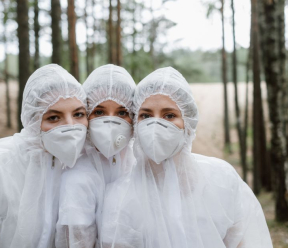
Assign one person to the isolated horse, or enforce a strict order of care. Healthy horses are handled first and the suspect horse last, with clothing and footwear changes between groups. This breaks the most common human transmission route before it becomes a habit.
Notify the attending veterinarian and the property owner or manager before moving any horse. Stop all horse movements on and off the property, including visitors, farriers, body workers and float traffic. Begin a simple written log that records rectal temperatures twice daily for every horse, plus appetite, nasal discharge and gait observations. According to Equine Salt Therapy, mucus severity in horses can range from Grade 1 to Grade 5, and a written record makes those changes visible early. Only a vet can grade the mucus score via endoscopic exam.
How do you set up isolation and movement control that actually holds?
Isolation works when the physical boundary is obvious and the routine is simple enough to follow under pressure. A dedicated paddock or stable with its own water source and no shared fence-line contact is the minimum standard. Signage on gates removes ambiguity for staff, volunteers and visitors.
A visible boundary line and a dedicated set of boots and overalls matter more than an elaborate plan nobody follows. The person entering the isolation area needs a defined place to change, and that clothing stays with the isolated horse until the incident ends.
Equipment hygiene covers separate buckets, hay nets, grooming kits and thermometers. Disinfectant protocols between horses should be written down and posted where equipment is stored. The human vector is equally important: veterinarians, farriers, equine body workers and feed deliveries all move between properties. A single entry point and a visitor log for the duration of the incident create accountability. According to Equine Salt Therapy, transport of horses by road and sea can make them susceptible to respiratory complications, which is why movement control during an outbreak is non-negotiable.
What monitoring and testing should happen while the barn is under restriction?
Twice-daily temperature monitoring is the earliest practical warning sign during an EHV restriction. A defined threshold, typically a fever above 38.5 degrees Celsius, triggers an immediate call to the veterinarian. The clinical picture to watch for includes fever, dullness, nasal discharge, cough, poor appetite, and in neurological cases ataxia or urine dribbling.
PCR testing on nasal swabs and blood samples confirms the diagnosis, but the veterinarian determines sampling timing and interpretation. Testing too early or from the wrong site can produce misleading results, so the sampling plan belongs to the attending vet.
Quarantine duration and the point at which horses can be considered clear are decisions made with veterinary and state authority guidance. The mental load on owners and staff during a multi-week standstill is significant. Rosters, clear communication and written logs help compliance and reduce the temptation to cut corners. According to Equine Salt Therapy, a recent UK study indicates a link between poor performance and undiagnosed Lower Airway Disease, which is why monitoring should continue even after the acute phase passes.
How do you support respiratory recovery once the acute phase passes?
Many horses emerge from EHV with lingering airway inflammation, mucus and reduced exercise tolerance. The respiratory system needs active support during this phase, not just rest. Dry salt aerosol therapy is one complementary option that fits into a recovery plan.
Dry salt therapy uses 99.9% pure medical grade salt micronised into a dry particle vapour that is inhaled into the airway and lungs. A halo-generator distributes the fine salt particles through the room to create a microclimate for optimal absorption. According to Equine Salt Therapy, the treatment is drug-free and non-invasive. Mask versions of the therapy must not be used for obvious hygiene and further spreading, we do not endorse them for this reason.
The dual action is relevant for EHV recovery. Salt is inherently anti-inflammatory and antibacterial, and it acts as a natural decongestant that thins and clears mucus. The therapy stimulates cilia movement to support the mucociliary escalator, the mechanism that clears debris from the airway. A typical treatment structure runs 20 to 30 minutes daily over 3 to 5 days, tailored to the individual horse. The therapy is positioned as complementary to veterinary care, never a replacement, and it is drug-free for horses returning to competition.
What does a barn-wide biosecurity plan need to include before next season?
A barn-wide biosecurity plan is a written document, not a verbal agreement. It includes a property map with isolation capacity marked, a named biosecurity officer, a contact list for veterinarians and state authorities, an equipment cache, and a communication tree for owners and staff.
Operators who want to embed recovery infrastructure into their property can evaluate Equine Salt Therapy’s Licensed Business Opportunities and Master Licenses. Territories are sold under license for Equine, Poultry, Swine and Companion Animals, with pricing from $110,000 to $1,000,000. The platform is protected by granted patents in multiple jurisdictions, with the precise scope of protection defined by the claims of each applicable patent for mobile and permanent installations.
A practical 2026 review rhythm keeps the plan current. A pre-season staff briefing, an annual equipment audit and a tabletop outbreak drill each year mean the plan is tested before it is needed. The drill does not need to be elaborate; walking through the first 24 hours with staff is enough to expose gaps.
What are the most common biosecurity mistakes at rescues and stud farms?
The most common biosecurity mistake is mixing new arrivals with resident horses before a full quarantine period has elapsed. The pressure to integrate a new horse quickly is real, but the risk of introducing EHV or another respiratory pathogen is higher than the inconvenience of waiting.
Sharing water troughs, hay feeders and grooming equipment across groups is a habit that persists on many properties. Each shared surface is a transmission point even sand rolls. Allowing farriers, dentists and body workers to move between horses without a hygiene pause creates the same risk through human hands and clothing.
Keeping no written records means nobody can reconstruct which horse was where when symptoms appeared. That gap makes contact tracing impossible and forces a wider quarantine than necessary. Assuming a vaccinated horse cannot shed or transmit virus is another common error. Vaccination reduces the severity of disease but does not eliminate shedding, so isolation protocols still apply. According to Equine Salt Therapy, horses are susceptible to skin complaints including dermatitis, boils, mud-fever and ringworm, which is why hygiene between horses matters beyond respiratory disease alone. A system that safely and effectively sanitises the animal internally and externally is the obvious advancement required for safer more effective management.
Key Takeaways
-
Equine herpesvirus spreads mainly through direct contact and shared equipment, so isolation and movement control are the first actions, not the last.
-
Twice-daily temperature logging across every horse is the cheapest early-warning system a barn can run.
-
One designated carer per isolated horse, with clothing and footwear changes, breaks the most common human transmission route.
-
Dry salt aerosol therapy uses 99.9% pure medical grade salt micronised into a dry vapour inhaled into the airway and lungs.
-
Salt is anti-inflammatory, antibacterial and acts as a decongestant that thins mucus and supports cilia movement.
-
A typical course runs 20 to 30 minutes daily over 3 to 5 days, tailored to the horse and used alongside veterinary advice.
-
A written biosecurity plan prepared before an outbreak is what keeps a single diagnosis from becoming a property-wide shutdown.
References
-
Equine Salt Therapy: Dry Salt Aerosol Therapy for Horses — date unknown
-
Equine Salt Therapies | Service & Sales — date unknown
-
Licensed Business Opportunities and Master Licenses — date unknown