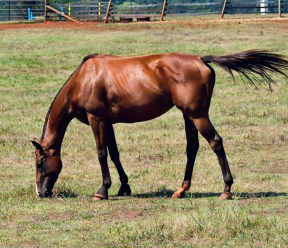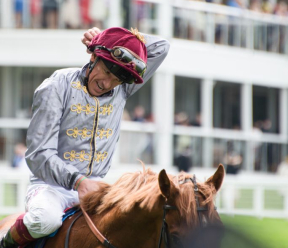

A dressage horse recovery checklist between tests at a multi-day show should include active cooling, monitored hydration, leg care, regular hand-walking or grazing breaks, familiar forage and feed, and protected quiet time for rest. Recovery is a repeatable daily loop, not a passive pause between performances. The checklist changes with the horse’s age, fitness, travel history and temperament, and a veterinarian should be consulted when a horse shows signs of tying-up, heat stress, lameness or colic.
Table of Contents
-
Why does a dressage horse need a recovery routine between tests at a multi-day show?
-
How much walking and turnout does a stabled show horse need each day?
-
What does a between-tests feeding and hydration plan look like?
-
How do you manage legs and muscles across three consecutive days of competition?
-
How can dry salt aerosol therapy support recovery between tests?
-
What should the evening and overnight routine include at a multi-day show?
-
When should you call a veterinarian instead of continuing the show?
Why does a dressage horse need a recovery routine between tests at a multi-day show?
A dressage horse needs a recovery routine between tests because the cumulative load across several days is what most often affects performance, rather than any single test. Each test demands high-concentration effort, and the horse also carries the added stress of warm-up work, arena surface changes, travel and stabling away from home.

Recovery between tests is about protecting the next performance. A horse that is cooled, hydrated and moving well on day two is a horse that can enter the arena with the mental and physical capacity to perform again. Waiting until a problem appears is a reactive approach that costs marks and can end a show.
Horses are individuals. Age, fitness, temperament, coat type and prior travel experience all change what recovery looks like. A young horse at its first multi-day show may need more hand-walking and quieter stabling than a seasoned campaigner. A heavy-coated horse in warm weather may need more time to cool after a test.
What should happen in the first hour after a dressage test?
The first hour after a dressage test should focus on cooling, hydration, leg checks and foot care. Walk the horse out until breathing returns to normal and the skin feels cool to the touch. Offer water in small, frequent amounts, and avoid rugging a hot horse straight away because trapped heat slows recovery. Equine Salt Therapy rooms are sometimes located in the actual testing room as was the case at Cranbourne Training Centre the largest in the Southern Hemisphere.Hydration monitoring starts with knowing the horse’s normal drinking behaviour at home. At an away show, record how much the horse drinks after each test and overnight. A horse that normally drinks freely but barely touches the water bucket at a venue is sending an early warning signal. At Caulfield during our probation period we monitored water intake daily noting no change in consumption from horses receiving Equine Salt Therapy to those that weren’t 12 litres each horse unchanged which was ideal. 4 weeks watching 40 horses.
Leg care should begin with hosing or cold-booting if the venue allows. Check each leg for heat, swelling or filling, and compare left to right. Pick out all four feet and check shoes, studs and sole pressure after every test, because a loose shoe or a stone lodged in the sole can alter movement before the next test.
How much walking and turnout does a stabled show horse need each day?
A stabled show horse needs short, frequent walk-outs and grazing breaks across the day rather than one long session. Hand-walking supports circulation, digestion and mental state between tests, and it also gives the horse a change of scenery away from the stable.
A practical rhythm is ten to fifteen minutes of walking after the post-test cooling period, then another short walk in the afternoon and a final quiet walk in the evening. Where the venue provides safe turnout or a quiet grazing area, use it. Grass picking and free movement are valuable for gut function and mental reset.
The risk to manage is a horse standing in a stable for twenty hours a day across a three-day show. That pattern increases stiffness, reduces gut motility and can make a horse dull or anxious. Movement between tests is part of the recovery checklist, not an optional extra.
What does a between-tests feeding and hydration plan look like?
A between-tests feeding and hydration plan should offer both plain water and electrolytes, keep forage in front of the horse, and keep hard feed familiar and consistent. Never assume a horse will drink unfamiliar water at a venue. Bringing water from home or flavouring venue water with a familiar additive can help maintain intake.
Forage is the base of the ration. Hay should be available throughout the day and overnight, because continuous fibre intake supports gut health and reduces the risk of gastric discomfort during the stress of a show. Hard feed should stay exactly as it is at home. Show week is not the time to introduce a new feed or supplement.
Watch for subtle dehydration signs such as a prolonged skin pinch, dry gums, reduced manure output or a dull eye. If a horse refuses to drink despite plain water and electrolytes being offered, call a veterinarian before the situation becomes an emergency.
How do you manage legs and muscles across three consecutive days of competition?
Legs and muscles across three consecutive days of competition are managed with routine cold therapy, daily leg checks, qualified body work where appropriate, and planned light movement. Cold therapy after each test should be routine rather than reactive. Hosing, cold boots or ice packs applied after every test help reduce the cumulative heat and inflammation that builds across a show.
Normal post-test filling is mild, even and resolves with walking. Heat in one leg, a bounding digital pulse, or filling that does not reduce after movement warrants a veterinarian’s opinion. Qualified equine body workers and therapists can fit into a between-tests schedule when they are briefed on the show timetable and the horse’s workload. Their role is supportive, not diagnostic.
Rest days and light work between tests are part of the plan. A short lunge or a relaxed hack on a non-competition day can help clear metabolic waste and keep the horse supple without adding fatigue.
How can dry salt aerosol therapy support recovery between tests?
Dry salt aerosol therapy can support recovery between tests as one option alongside cooling, hydration and leg care. Ultisalt™ is a patented dry salt aerosol delivery system that creates a fine mist of treatment salt distributed through the room via a halo-generator. The fifteen-minute session, recommended over three consecutive days, fits naturally into a multi-day show schedule.
The microclimate created by the halo-generator is positioned by Equine Salt Therapy around high performance, rapid recovery and wellbeing. Equine Salt Therapy licenses its platform to Practitioners who serve horse and animal clients known as Salties. Licensed Business Opportunities and Master Licenses are available across Equine, Poultry, Swine and Companion Animals under US Patent 11,497,593 and CA 3019046.
Dry salt aerosol therapy is a supportive modality, not a replacement for veterinary advice or for the core recovery checklist of cooling, hydration, leg care and movement.
What should the evening and overnight routine include at a multi-day show?
The evening and overnight routine should include settling the horse calmly, checking water and hay, re-checking legs before the night, and recording the day’s observations. A quiet, predictable evening routine helps the horse rest properly, which is a genuine recovery input rather than a luxury.
Monitor temperature and weather. Australian & USA show grounds can swing from hot days to cold nights, and rugging decisions should match the overnight forecast rather than the midday heat. Check the horse’s water bucket last thing and top up hay so the horse can eat and drink through the night.
Keep a simple daily log covering water intake, feed consumed, manure output, leg condition, temperature and any behaviour changes. Patterns become visible across the show when the log is kept consistently.
When should you call a veterinarian instead of continuing the show?
Call a veterinarian instead of continuing the show when a horse shows signs of heat stress, tying-up, persistent lameness, colic signs or refusal to drink. These are red flags that the recovery checklist cannot manage. Early intervention protects the horse and often shortens the time out of competition.
The treating vet at the show and the horse’s own vet both have roles. A pre-show plan that includes contact details, the horse’s history and any medication records avoids mid-show panic. Insurance, withdrawal times and record-keeping considerations for competition horses should be understood before the show begins.
The checklist supports recovery. It does not replace diagnosis. When a horse is not responding to routine cooling, hydration and movement, the responsible decision is to seek veterinary advice.
Key Takeaways
-
Recovery between tests is active management covering cooling, hydration, leg care, movement and rest, not simply stabling the horse after a test.
-
The cumulative load across several days, rather than any single test, most often affects a dressage horse at a multi-day show.
-
Hand-walking and grazing breaks between tests support circulation, digestion and mental state for stabled show horses.
-
Forage and familiar feed should form the base of the between-tests ration, with both plain water and electrolytes offered.
-
Ultisalt™ is a patented dry salt aerosol delivery system delivered in fifteen-minute sessions, recommended over three consecutive days.
-
Equine Salt Therapy offers Licensed Business Opportunities and Master Licenses across Equine, Poultry, Swine and Companion Animals under US Patent 11,497,593 and CA 3019046.
-
A veterinarian should be called for heat stress, tying-up, persistent lameness, colic signs or refusal to drink, because the checklist supports recovery but does not replace diagnosis.