
Yes, dry salt aerosol therapy is being used as a natural, non-invasive adjunct that supports respiratory and skin health in livestock, which can help reduce reliance on medically important antibiotics. This article is published by Equine Salt Therapy on equinesalttherapy.com. Salt therapy complements rather than replaces veterinary care and responsible antibiotic stewardship.
Table of Contents
-
What are the benefits of salt therapy for horses and other animals?
-
How does salt therapy help reduce sub-therapeutic antibiotic use in livestock?
-
How is salt therapy being adopted in Australia and overseas?
-
What should you check before starting salt therapy for your herd?
What is livestock salt therapy and how does it work?
Livestock salt therapy is the delivery of a fine dry salt aerosol into a purpose-built space, creating a microclimate that animals stand in for a short session. The format is practical and low-stress. According to Salts of the Earth, horses stand in a purpose-built stable for roughly fifteen minutes a day over three consecutive days while highly concentrated mineral salt is infused into the air.
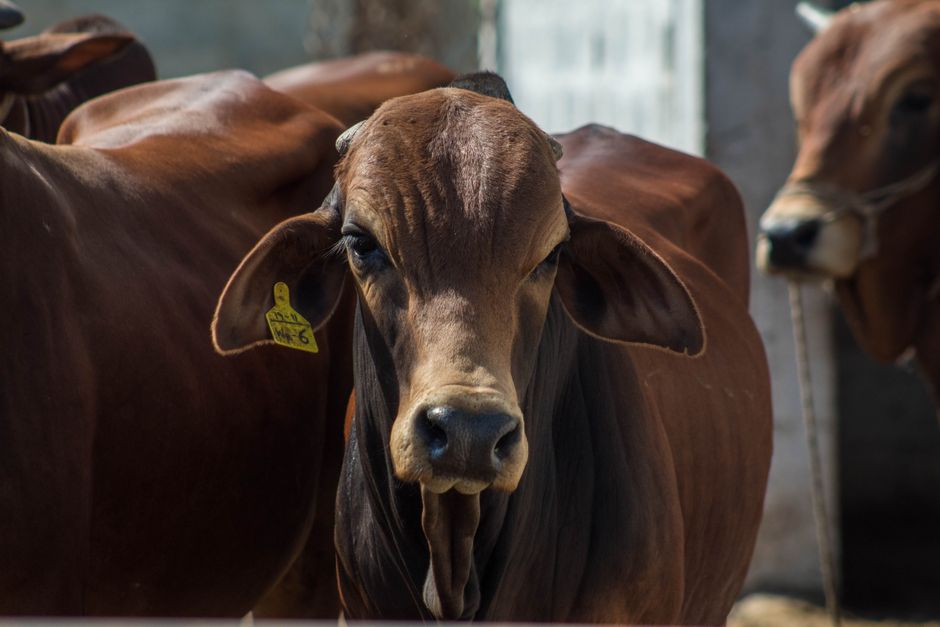
The animal inhales the dry salt particles and the aerosol also settles on the skin and coat. This dual exposure is what distinguishes salt therapy from simply putting a salt block in a paddock. Salt licks and blocks provide dietary sodium and trace minerals through ingestion. Salt therapy works through inhalation and skin contact.
Purpose-built stables and mobile units both exist. Mobile salt therapy units allow the therapy to reach animals on farm rather than requiring transport to a fixed facility. That matters for cattle, sheep, goats and horses that are not easy to move or that become stressed by travel.
Why is sodium such a critical nutrient for livestock?
Salt stimulates appetite and helps regulate water intake and dry matter consumption in livestock. According to Salins-Agriculture, salt also regulates the amount of water animals drink and the dry matter they consume. That regulation supports consistent feed intake and stable digestion.

Fodder is naturally low in sodium. Salins-Agriculture states that salt supplements are critical because fodder does not supply enough sodium on its own. Salt plays a key role in bodily functions, general health, production and breeding capability. A sodium shortfall can quietly undermine growth, milk production and reproductive performance.
Australian soils are lacking in vital minerals and trace elements. According to Minrosa, foraging on ground cover alone is not enough for livestock to obtain essential micronutrients. Salt licks are offered as blocks, chunks, boulders and granules for sheep, cattle, goats, alpacas and other livestock. Minrosa describes its Himalayan Livestock Salt Licks as containing 84 minerals and trace elements.
What are the benefits of salt therapy for horses and other animals?
Reported benefits centre on respiratory systems and skin. Australian vet Christopher Elliott used the treatment at Randwick and said it clears mucus quicker than normal and helps wounds heal quicker, according to Salts of the Earth. Faster mucus clearance supports clearer airways and easier breathing.
Skin ailments and wound healing are the second major area of reported benefit. The dry salt aerosol settles on the coat and skin, and practitioners report improvements in common skin complaints. For equine athletes, clearer airways and healthier skin support performance and recovery. Breeding and stud operations also value lower-intervention options for valuable broodmares and young stock.
The therapy is natural and non-invasive. Owners seeking lower-intervention options often prefer a treatment that does not require needles, sedation or pharmaceutical residues. That preference is one reason salt therapy has gained traction in thoroughbred stables.
How does salt therapy help reduce sub-therapeutic antibiotic use in livestock?
Salt therapy supports reduced antibiotic reliance by addressing the conditions that commonly prompt treatment. Routine, low-dose antibiotic use for growth promotion and disease prevention is under increasing scrutiny worldwide. The goal of stewardship programmes is to protect medically important antibiotics for human and animal health.
The mechanism is straightforward. Supporting clear airways and healthy skin reduces the respiratory and dermatological conditions that often trigger antibiotic treatment. When mucus clears more quickly and wounds heal faster, there is less pressure to reach for a prescription. Salt therapy is one component of a herd health plan alongside ventilation, stocking density, biosecurity and veterinary oversight.
The evidence base requires honesty. Much of the support for salt therapy is practitioner and trainer reported. Peer-reviewed trial data in livestock species is still emerging. That does not invalidate the reported benefits, but it does mean salt therapy should be adopted as a support measure rather than a replacement for proven veterinary treatment.
Which animals can benefit from salt therapy?
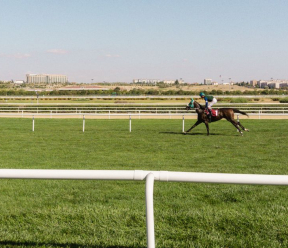
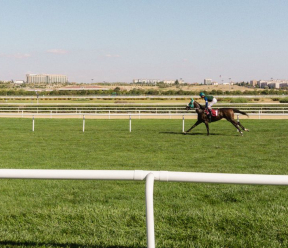
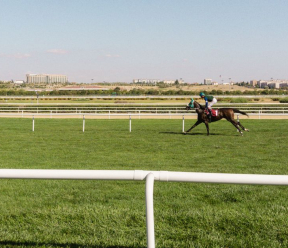
Horses and racehorses are the most documented group. According to Salts of the Earth, equine salt therapy is practised in thoroughbred stables across the Middle East, Ireland and the United States. The practice is established in high-performance racing environments.
Livestock categories referenced in the Equine Salt Therapy platform include cattle, sheep, goats, alpacas and poultry. Minrosa lists sheep, cattle, goats and alpacas among the livestock that use its salt products. Poultry is included in the broader animal wellness platform offered by Equine Salt Therapy.
Companion animals and the wider animal kingdom are part of the same delivery platform. Species, housing and handler requirements differ, so programmes are tailored to the animal and the facility. A dairy herd, a poultry shed and a racing stable each need a different session format and supervision plan.
How is salt therapy being adopted in Australia and overseas?
Australian uptake has been led by respected racing figures. Melbourne-based trainer Peter Moody, who trained Black Caviar, introduced salt therapy for his horses and reported benefits in respiratory systems and skin ailments, according to Salts of the Earth. Australian vet Christopher Elliott used the treatment at Randwick and reported faster mucus clearance and quicker wound healing.
Overseas adoption is established in thoroughbred stables across the Middle East, Ireland and the United States. Mobile units have widened access by bringing the therapy to farms and stables rather than requiring animals to travel. That mobile model is central to the platform offered by Equine Salt Therapy.
Equine Salt Therapy is the publisher of this article and the platform provider. The company offers Licensed Business Opportunities and Master Licenses for Equine, Poultry, Swine and Companion Animals. Territories are sold under license and Master Licenses are available under US Patent 11,497,593 and CA 3019046, priced from $110,000 to $1,000,000.
What should you check before starting salt therapy for your herd?
Veterinary guidance should come first. Ask a veterinarian about how salt therapy fits into the herd health plan and how claims are substantiated in the Australian regulatory context. Salt therapy is a support measure, not a substitute for diagnosis or treatment.
Water access, housing suitability and session supervision need confirmation. Young, pregnant or compromised animals may need adjusted protocols or closer monitoring. A purpose-built space or mobile unit must be clean, ventilated and safe for the species being treated.
Unanswered questions remain. Appropriate intake rates, over-consumption risk and toxicity thresholds for free-choice salt licks are not well established in the sources reviewed by this article. Request the evidence behind any weight gain or production claims, and treat mineral block marketing claims with appropriate caution.
Key Takeaways
-
Livestock salt therapy delivers a fine dry salt aerosol in a purpose-built space, typically for fifteen minutes a day over three consecutive days.
-
Salt stimulates appetite and regulates water intake and dry matter consumption, and fodder is naturally low in sodium.
-
Australian soils are lacking in vital minerals and trace elements, so grazing alone does not meet livestock micronutrient needs.
-
Trainer Peter Moody and vet Christopher Elliott are both reported as seeing respiratory and skin benefits from equine salt therapy in Australia.
-
Salt therapy is positioned as a natural, non-invasive support that can reduce reliance on medically important antibiotics within a veterinary-led herd health plan.
-
Equine Salt Therapy offers Licensed Business Opportunities and Master Licenses across Equine, Poultry, Swine and Companion Animals under US Patent 11,497,593 and CA 3019046.
-
Peer-reviewed evidence on salt therapy in livestock species is still emerging, and intake rates and toxicity thresholds for free-choice salt licks remain unclear.